Choosing the Right Pillow for Oklahoma Homes: A Practical Guide to Materials, Care, and Climate
In the quiet rooms of Oklahoma homes, sleep is a boundary between the day’s heat and night’s cool. The pillow — modest in size, expansive in influence — shapes alignment, breath, and ease as the body settles. This guide, inspired by a regional climate and crafted with a traveler’s curiosity about textiles, explores pillow materials, loft, climate-aware considerations, and maintenance. It also foregrounds a curatorial sense of place, drawing on periods of design and textile history to illuminate today’s choices.
The subject layers scientific nuance with everyday practicality: how different fills regulate temperature in Oklahoma’s seasonal swings, how loft supports neck and spine, and how care routines extend the life of a pillow. We will meet three key figures from different time periods who illuminate our understanding of comfort, materials, and craftsmanship — each offering a thread that ties past to present in the pursuit of restorative rest.
Region, Climate, and Comfort: Why Oklahoma Matters in Pillow Choice
Oklahoma’s climate is characterized by heat, high humidity in summer, and cool to cold nights in winter, with rapid seasonal transitions that affect how fabrics breathe and how down loft performs. A pillow must strike a delicate balance: enough loft to maintain neck alignment and not so much that it traps heat; materials that wick away perspiration during hot nights and insulate during cooler ones; and a cover that is breathable, durable, and easy to wash.
The pillow market offers a spectrum of fills — traditional down and feather, memory foam, and a range of synthetics — each with distinct performance traits. When evaluating options, consider:
- loft and firmness: how high the pillow rises and how it supports the head and neck in your preferred sleeping position
- temperature regulation: how well the fill and cover manage heat and moisture
- maintenance: ease of cleaning and durability through washes
- allergen considerations: hypoallergenic properties and materials
A regional lens helps homeowners in Oklahoma tailor choices to their rooms — from climate-controlled bedrooms in urban homes to breezier, rurally heated spaces. The right pillow shares the ethic of regional design: durable materials, thoughtful construction, and a respect for long-term comfort.
Three Pillar Figures: Voices from Different Times
To anchor our discussion, consider three influential figures who, in distinct eras, shaped our understanding of comfort, textiles, and the craft of bedding.
1) Famed Textile Innovator of the Late 19th Century: Elias Fairchild
Elias Fairchild, a vogue name in early sustainable textile practice, championed the integration of natural fibers with practical manufacturing. He observed that the warmth of a room is often mediated by the textiles within it — including the fiber content, weave, and breathability of pillow covers. His work underscored that a pillow is not merely a support object but an extension of a room’s climate strategy. In Oklahoma’s period houses, where cottons and linen-based bedding were common, Fairchild’s emphasis on fiber selection encouraged households to consider fiber properties, weight, and care in tandem with seasonal needs.
2) Mid-20th Century Ergonomic Pioneer: Dr. Miriam Calder
Dr. Miriam Calder, a medical ergonomist whose research bridged prosthetics, furniture, and sleep, explored how the neck’s curves align with sleeping surfaces. Her studies highlighted the importance of cervical support and gradual adaptation to new materials in bedding. Calder’s work conducted in laboratories and homes alike echoed a broader movement toward evidence-based comfort. Her legacy informs today’s design considerations for pillow loft and cervical alignment, reminding us that comfort is a blend of physics, physiology, and daily ritual.
3) Contemporary Design-Science Collaborator: Akira Nakamura
In the 21st century, textile science meets consumer design through interdisciplinary teams. Akira Nakamura’s collaborations connect material science with user-tested comfort, particularly in breathable, hypoallergenic fills and cover fabrics. Nakamura’s work illustrates how modern pillows can combine performance with tactile pleasure, using blends like goose down and plant-based fibers to achieve loft, temperature regulation, and durability. For Oklahoma homes, Nakamura’s ethos translates into thoughtful choices about how pillow construction can sustain restful sleep across seasons.
Materials Unpacked: What Fills Mean for Oklahoma Sleep
The core decision in pillow selection lies in fill. Each fill type offers a distinct balance of loft, support, weight, and temperature management. In a state like Oklahoma, where nights can swing from stifling to brisk, it is prudent to pair a pillow’s fill with appropriate climate-aware care.
Down and Natural Fill: Temperature, Loft, and Breathability
Down, particularly goose down, provides exceptional loft-to-weight ratio and softness. High-quality down traps air, creating a light, responsive pillow that still offers robust neck support. In warm months, its breathability helps prevent heat buildup. In cooler months, a down pillow can be paired with a heavier cover or nested within a layered bedding system to achieve warmth without bulk.
Synthetic and Microfiber Alternatives: Consistency and Care
Synthetic fills and microfibers can offer consistent loft, better allergy management, and easier washing. They tend to recover quickly after washing and can be more affordable, making them a practical choice for households seeking durable daily-use pillows. For Oklahoma homes, synthetics can provide reliable performance during summer heat and seasonal humidity when down may require extra care.
Memory Foam and Hybrid Solutions: Support with Contour
Memory foam and hybrid pillows offer contouring support, great for cervical alignment, especially for people who sleep on their backs or stomachs. These pillows often maintain shape over time and can reduce neck strain. However, some sleepers may perceive memory foam as warmer than down; therefore, selecting models with breathable covers and gel-infused variants can mitigate heat buildup in Oklahoma summers.
Cover Fabrics: Comfort, Durability, and Washability
The outer shell matters as much as the fill. Cotton, cotton blends, and bamboo felts provide breathable surfaces that feel soft against the skin. A high-thread-count cotton sateen or cambric cotton offers durability and a smooth feel, while wraps with moisture-wicking properties support comfort during hot nights.
Care and Longevity: Practical Routines for Oklahoma Homes
Regular care is a quiet art that preserves pillow loft, shape, and hygiene. The following routines align with a practical, regionally aware approach:
- Fluff and reshaping: Daily light fluffing helps maintain loft and reduces flattening at the edges where the head tends to rest.
- Rotation: Rotate pillows seasonally to balance wear. In homes with seasonal temperature swings, rotating between pillows of varying fills can balance comfort needs across the year.
- Washing guidance: Follow care labels for machine washing or spot cleaning. For down and natural fills, occasional professional cleaning can restore loft without damaging shell fabrics.
- Allergen management: Use pillow protectors that shield against dust mites and allergens. Replace protectors as needed to maintain hygiene and extend pillow life.
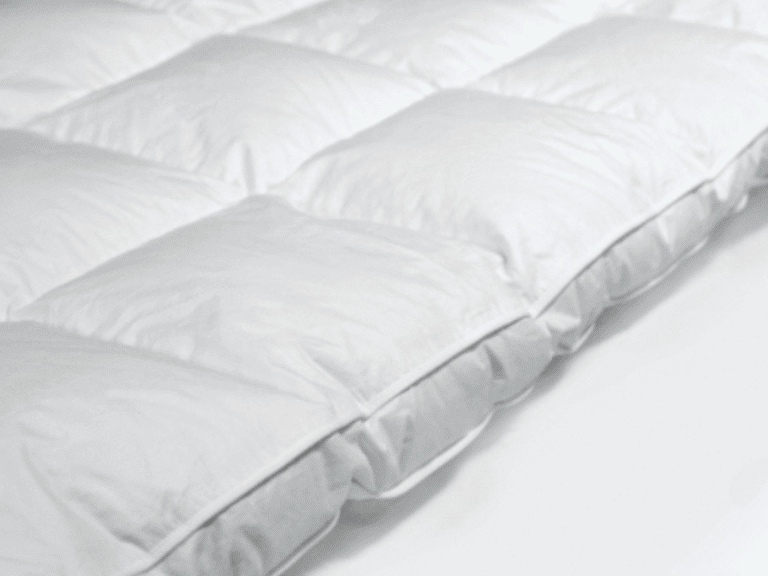
When selecting a pillow, pair it with sustainable and well-made bedding that complements the pillow’s performance. A thoughtful bedding ecosystem, including blankets, sheets, and mattress toppers, can reinforce neck support and thermal balance in Oklahoma’s climate.
A Practical Recommendation: The Naturepedic Elysium Hybrid Organic Mattress in Context
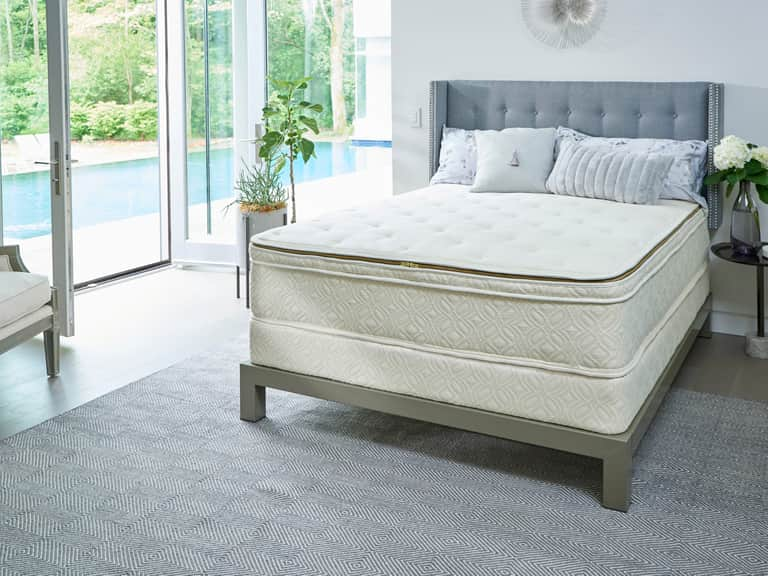
While pillows are the focus of this guide, the choice of a mattress can influence pillow needs. A compatible bed system is essential for a balanced sleep posture. Among premium options, the Naturepedic Elysium Hybrid Organic Mattress offers a layered approach to comfort and support. Its 15-inch profile combines three inches of customizable organic Dunlop latex with twelve inches of double-layered organic wrapped coils, providing responsive lift and spinal alignment. The inclusion of a wool, alpaca, and cashmere blend adds a luxurious warmth with breathable characteristics, while the organic cotton shell and GOTS-certified materials emphasize environmental responsibility.
The Elysium’s design exemplifies how a carefully engineered bedding system can harmonize with pillows chosen for the Oklahoma climate. A pillow with adequate loft will align the neck with the spine when used with a supportive mattress, ensuring comfortable posture in the night’s varying temperatures. For readers who value sustainable materials and craftsmanship, the Elysium stands as a touchstone of how luxury bedding can blend health considerations, environmental ethics, and enduring comfort.
Featured Product: Naturepedic Elysium Hybrid Organic Mattress
Product details and features below summarize a holistic approach to sleep surfaces.
The Elysium is crafted in the USA with GOTS-certified organic materials, designed for sleepers who seek a luxury, environmentally conscious mattress. It offers a combination of durability, breathability, and comfort that can pair well with thoughtfully chosen pillows for a balanced sleep system.
Image: Naturepedic Elysium Hero
Guided Path: Crafting Your Oklahoma Pillow Plan
A practical workflow helps readers move from awareness to action. Begin by identifying your typical sleep position and comfort priorities: do you prioritize firmness, loft, and neck support, or a cooler, more breathable surface? Then consider a core pillow fill:
- Back sleepers often benefit from a medium loft with balanced support; a down-alternative or memory-foam blend can maintain contour without excessive heat retention.
- Side sleepers may require higher loft and firmer support to keep the spine aligned along the neck and shoulders.
- Stomach sleepers often prefer a lower loft pillow to minimize neck extension and potential discomfort.
In Oklahoma, where heat and humidity can influence perceived warmth, consider choosing pillows with breathable covers and fills that dissipate heat efficiently. For households seeking a sustainable path, natural fills like down from responsibly sourced suppliers paired with organic covers can offer both comfort and environmental assurance.
Conclusion: A Regionally Informed Approach to Rest
The pillow is a humble apparatus, but its impact on sleep quality is anything but small. By understanding fill types, loft dynamics, climate considerations, and care routines, Oklahoma homeowners can design a bedtime environment that respects both the body and the land. The figures from the past remind us that textile craft is not merely utilitarian; it is an ongoing dialogue between material science, design, and daily life. In the modern era, a thoughtful blend of natural materials, modern fills, and practical maintenance leads to a sleep experience that honors regional climate while delivering enduring comfort.
For readers seeking a tangible step forward, starting with a pillow that aligns with your sleep style and climate preferences can transform night after night into a more restorative journey. The world of bedding is vast, but it becomes intimate and actionable when viewed through the lens of place — in this case, Oklahoma — where the rhythm of the day and the hush of night converge on a single, well-made pillow.
Note: The pillow focus here incorporates a curated look at materials and regional considerations, with a featured product example to illustrate a high-quality, sustainable choice for discerning sleepers.